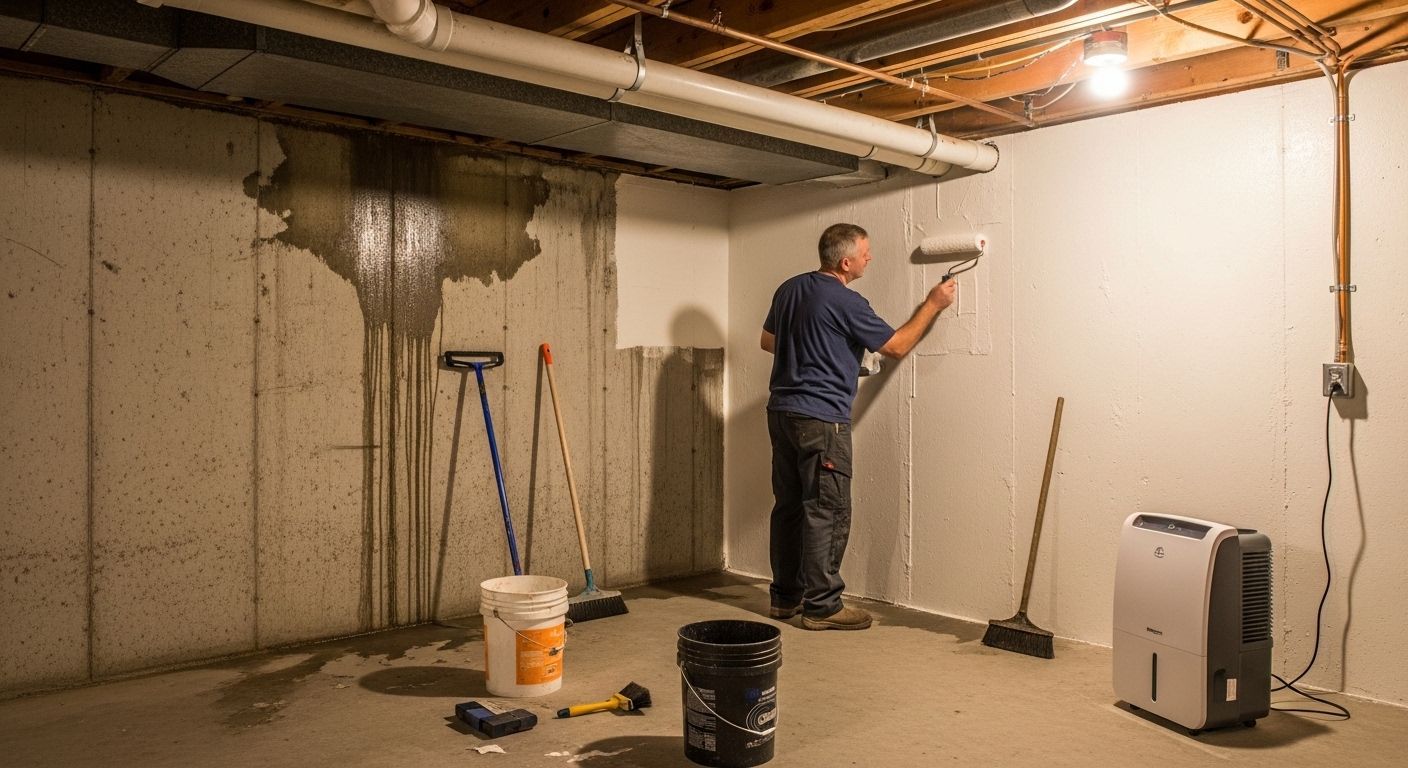
Rust stains near the base of walls, around anchor bolts, or along any exposed metal are another tell. Steel corrodes when it stays wet, and if metal embedded in or attached to your foundation is rusting, it means that area is consistently damp.
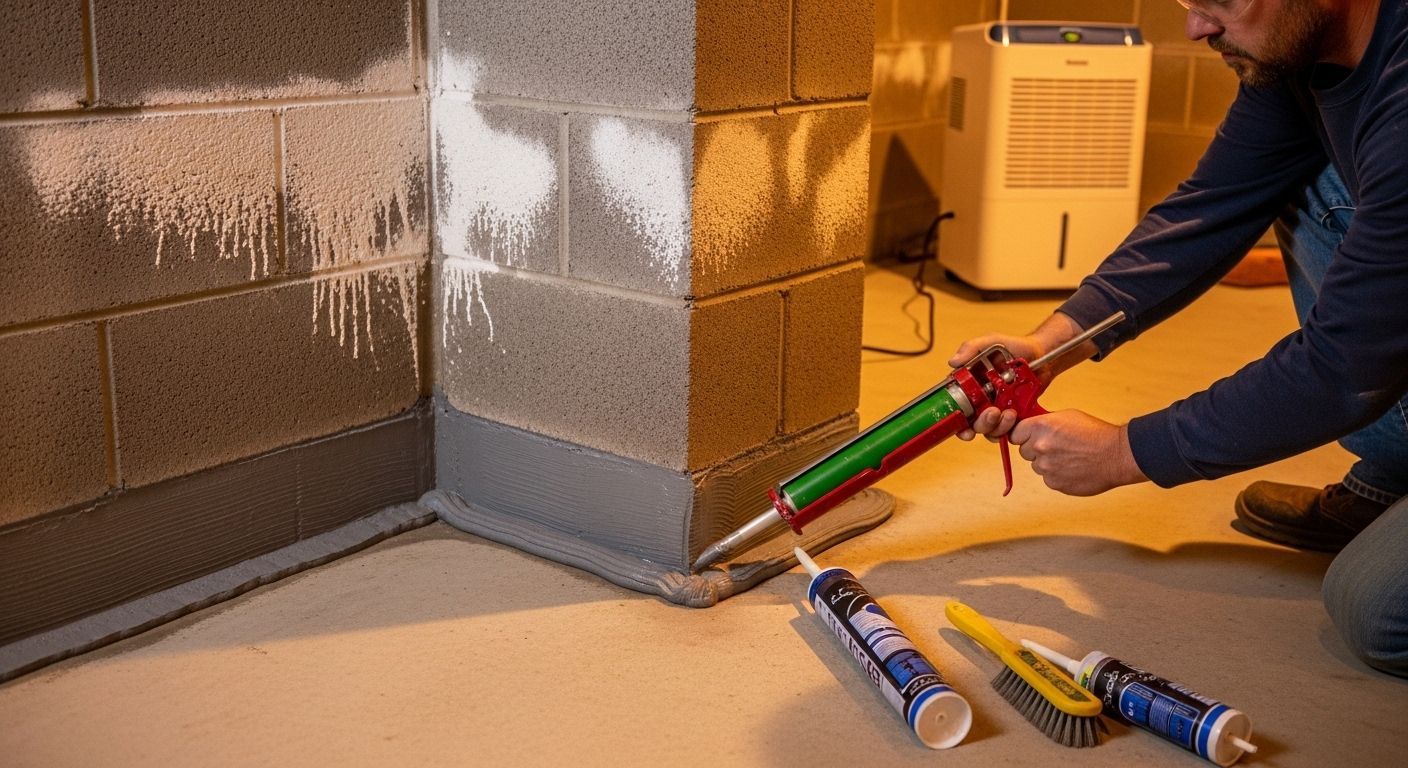
Hairline cracks in poured concrete are normal — concrete shrinks as it cures and develops minor cracking. The ones to watch are cracks that are wider at one end than the other (indicating uneven settling), horizontal cracks in block walls (which suggest lateral soil pressure), and any crack where you can see daylight or feel air movement.
Look at the Rest of the House Too
Foundation water damage doesn't always announce itself in the basement. Sometimes the early signs show up elsewhere in the structure:
Doors and windows that have started sticking or no longer close squarely are worth paying attention to, especially if nothing obvious changed — no recent humidity spike, no new construction nearby. When a foundation shifts or settles unevenly due to water-saturated soil, the door and window frames move with it.
Diagonal cracks running from the corners of windows or doors toward the ceiling are a classic signal. Drywall cracks appear in a lot of places for a lot of reasons, but these corner-to-corner diagonal patterns often trace back to differential settlement — one part of the foundation moving while another stays put.
Sloping or bouncy floors, particularly on the main level, can indicate that structural posts or beams sitting on the foundation are being affected by moisture. Wood rots, steel corrodes, and when the supports shift, the floors above them follow.
Outside the House
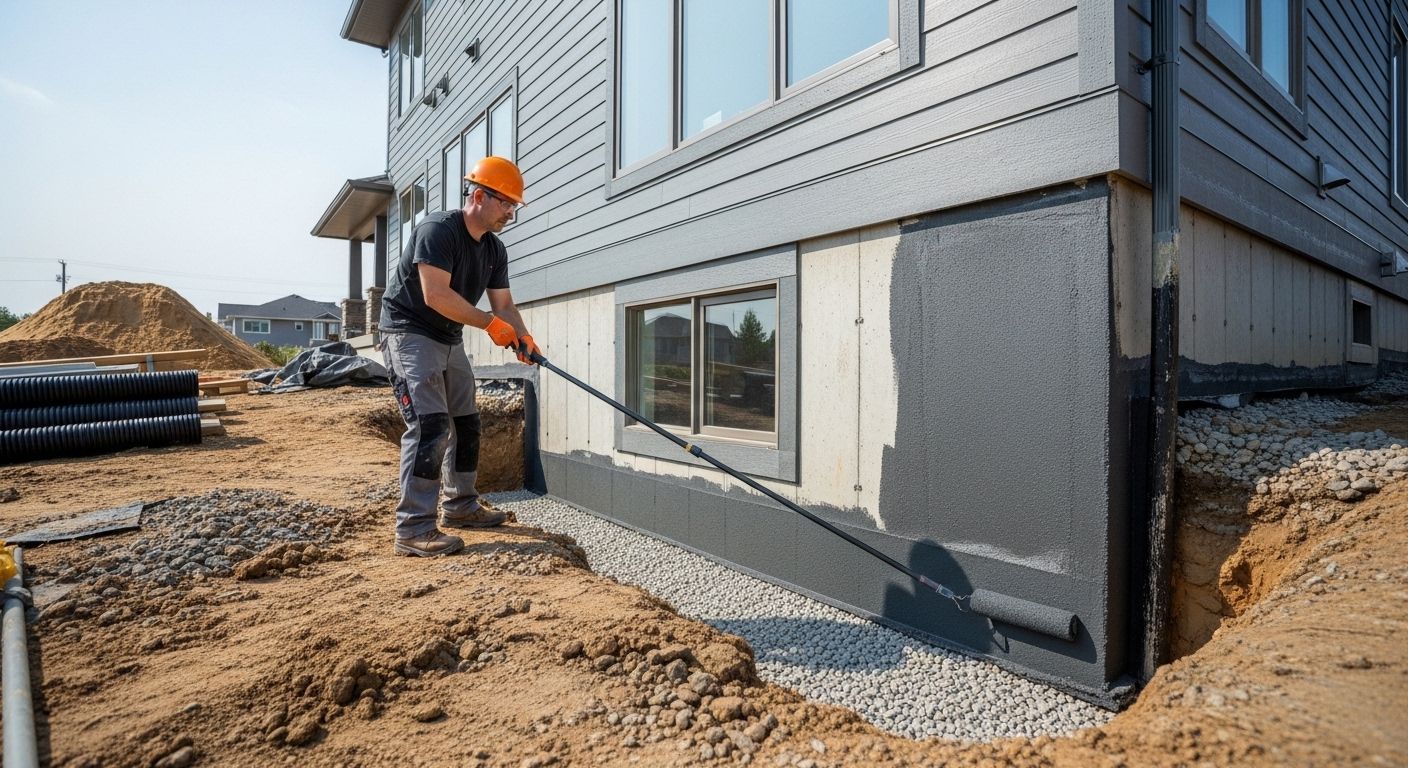
The exterior tells part of the story too. Soil that has pulled away from the foundation, leaving a visible gap, means the ground has dried and contracted — but it also means water can now flow directly down along the foundation wall during rain instead of dispersing into the yard. Similarly, soil that slopes toward the house rather than away from it is one of the most common contributors to foundation moisture problems.
Downspout extensions that dump water close to the foundation, planters built against the house that hold moisture against the wall, and clogged gutters that overflow and saturate the soil at the base of the house are all worth addressing before they become the reason you're dealing with early signs of foundation water damage at all.
When to Call Someone
Not every crack or damp spot is an emergency, but the pattern matters more than any single item. One hairline crack in an otherwise dry, well-draining basement is probably fine. Efflorescence plus a musty smell plus a door that's started sticking plus a crack that's gotten wider over six months — that's a pattern worth having a structural engineer or foundation specialist look at, not just a waterproofing contractor who has a financial interest in selling you a solution.
The earlier you catch this, the more options you have. Most foundation water problems start as drainage and grading issues that cost a few hundred dollars to fix. Left alone long enough, they become structural repairs that cost tens of thousands. That's the entire argument for paying attention to the small stuff now.