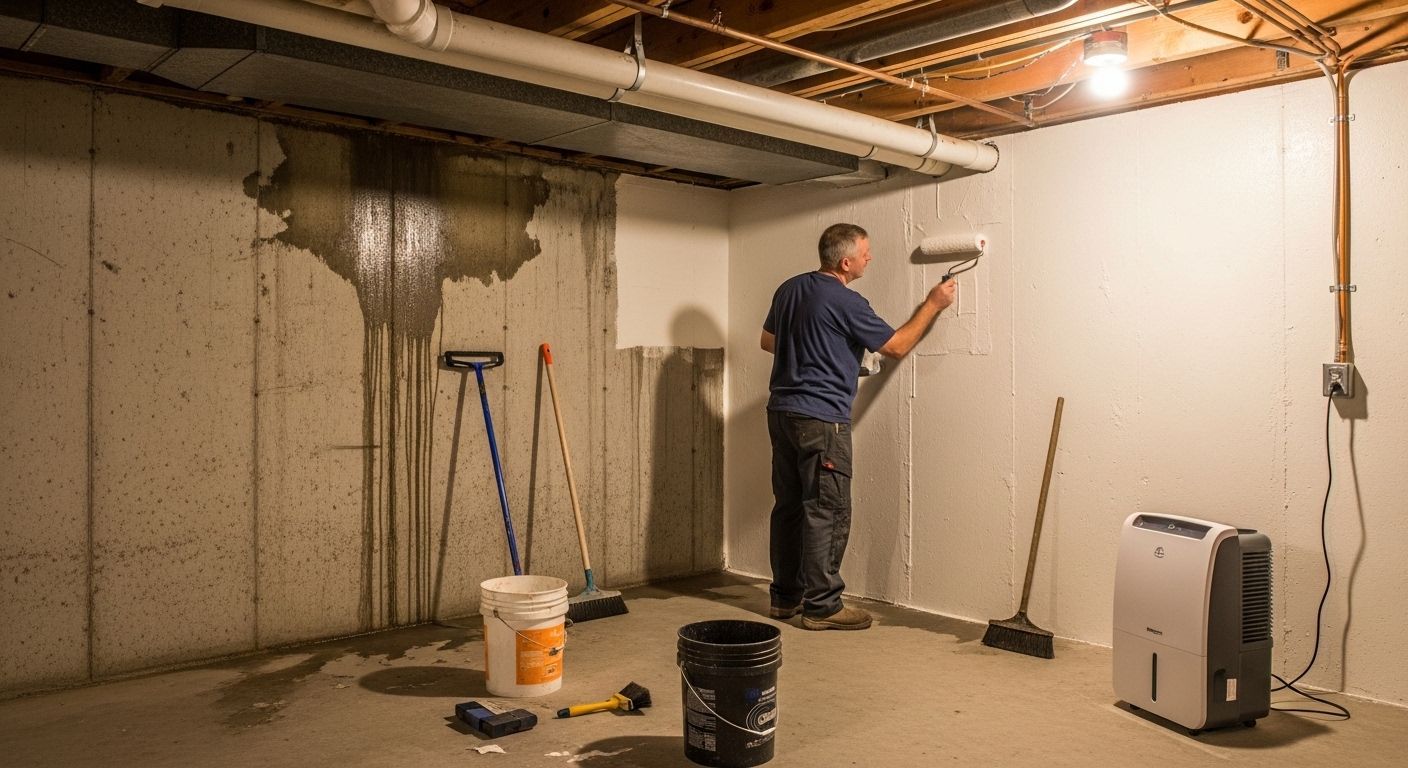
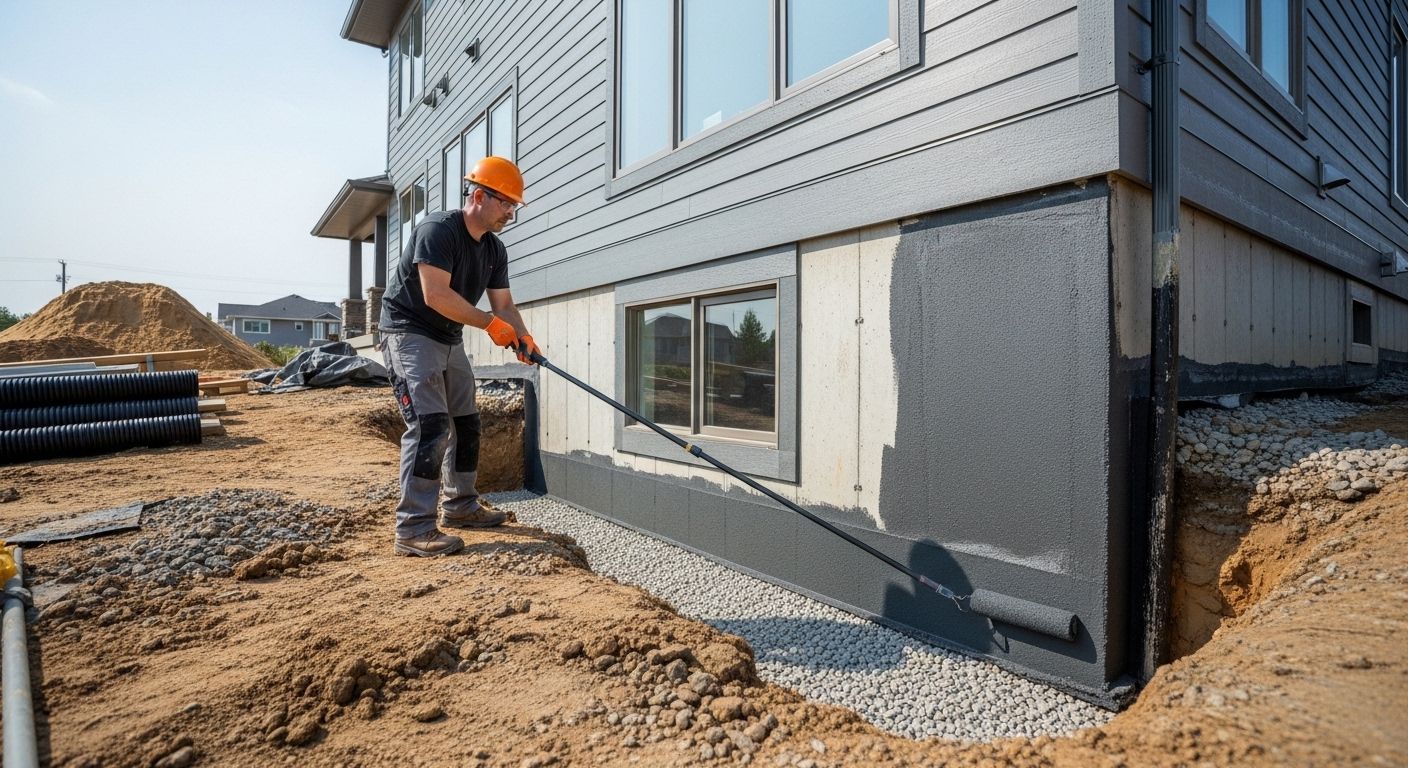
The fundamental issue is saturation. In most climates, soil around a foundation gets wet during rain events and then dries out between them, giving drainage systems time to do their job and reducing sustained pressure against foundation walls. In the Pacific Northwest, from roughly October through April, the soil stays saturated for weeks or months at a time without meaningful drying intervals. That persistent saturation creates hydrostatic pressure — the force of water-laden soil pushing against foundation walls — that operates continuously rather than episodically. It's the difference between a foundation managing occasional stress and one that's under sustained load for half the year.
How Pacific Northwest Rain and Soil Conditions Cause Foundation Moisture Problems
The Pacific Northwest has some of the most beautiful landscapes in the country and some of the most relentless rain in the lower 48. Western Washington and Oregon average 35 to 60 inches of rainfall annually depending on location, but the raw number understates the actual challenge: it's not just how much rain falls, it's that it falls persistently, over months, with soil that never fully dries out between events. That combination creates foundation moisture problems in the Pacific Northwest that are distinct from what homeowners in drier or more seasonally wet climates typically deal with.
Why Pacific Northwest Homes Have Serious Foundation Moisture Problems
Get a Free Quote
Contact Us
Why Choose Waterproofing Seattle?
Satisfied Clients


Our Waterproofing Installation Process
Soil type compounds the problem significantly in many parts of the region. Heavy clay soils, common throughout the Willamette Valley, Puget Sound lowlands, and many western slope areas, hold water rather than draining it. Clay expands when wet and contracts when dry, and that seasonal movement works at foundation walls, cracks, and joints over time. A foundation in well-draining sandy or gravelly soil handles Pacific Northwest rain reasonably well with adequate drainage systems. The same foundation in clay soil is fighting a different battle.
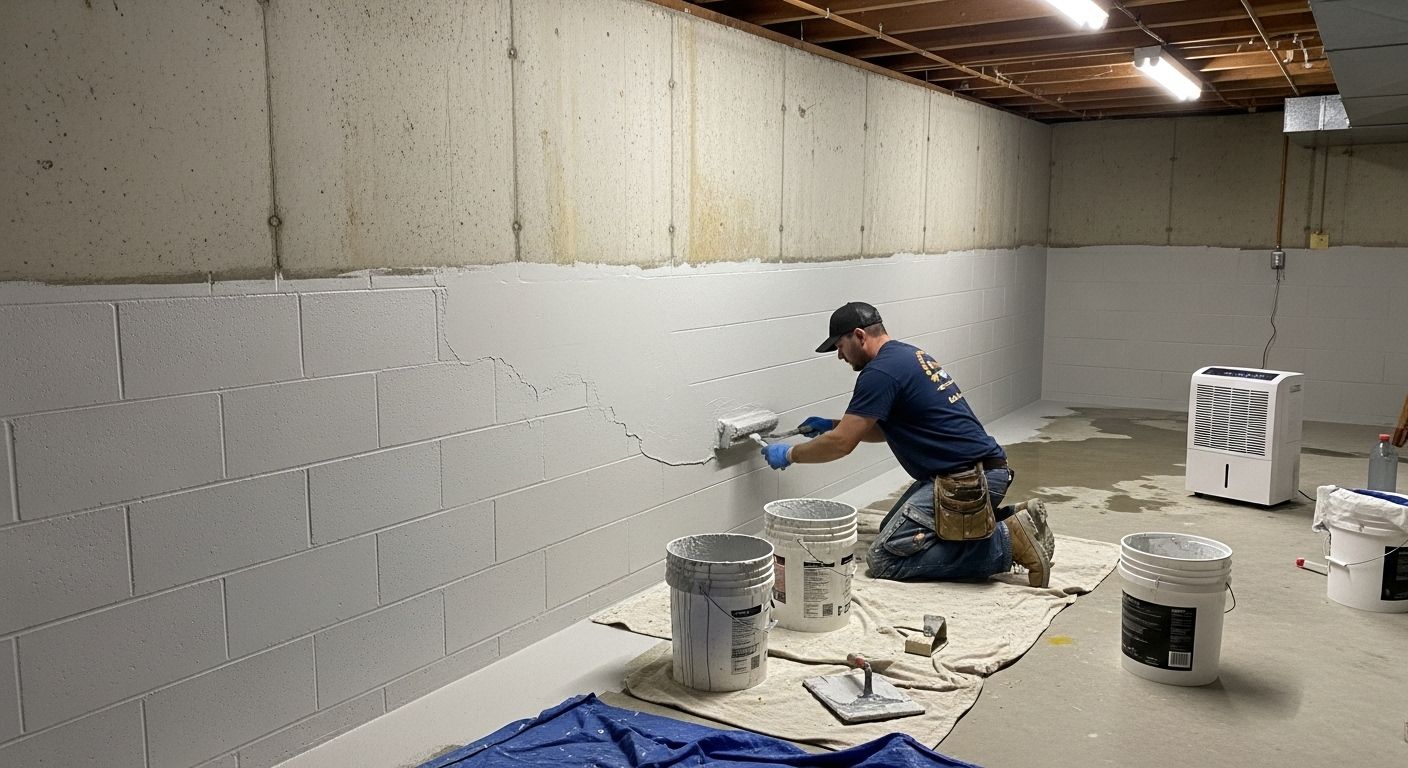
Crawl spaces are where Pacific Northwest foundation moisture problems most often become visible, and they're worth understanding specifically because the region has a higher proportion of crawl space foundations than many other parts of the country. An unconditioned crawl space in this climate is essentially a collection chamber for ground moisture. Water vapor rises from the soil, cold surfaces in the crawl space cause condensation, wood framing stays damp, and the conditions for wood rot and mold become chronic rather than occasional. Pier and beam foundations — common in older Pacific Northwest homes — are particularly vulnerable because the wood members are closer to grade and less protected than poured concrete systems.
Waterproofing Seattle Near Me?
Waterproofing Seattle Near Me? Contact Us