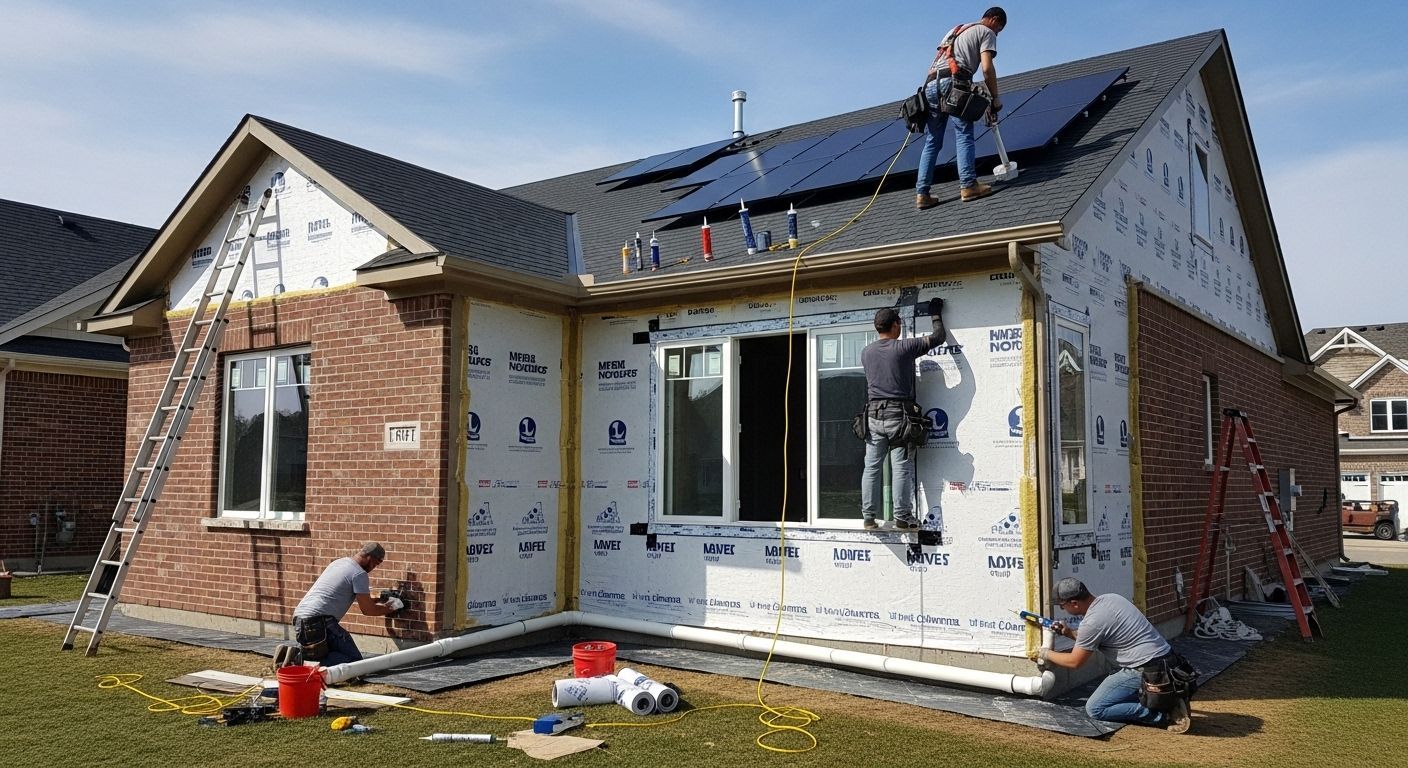
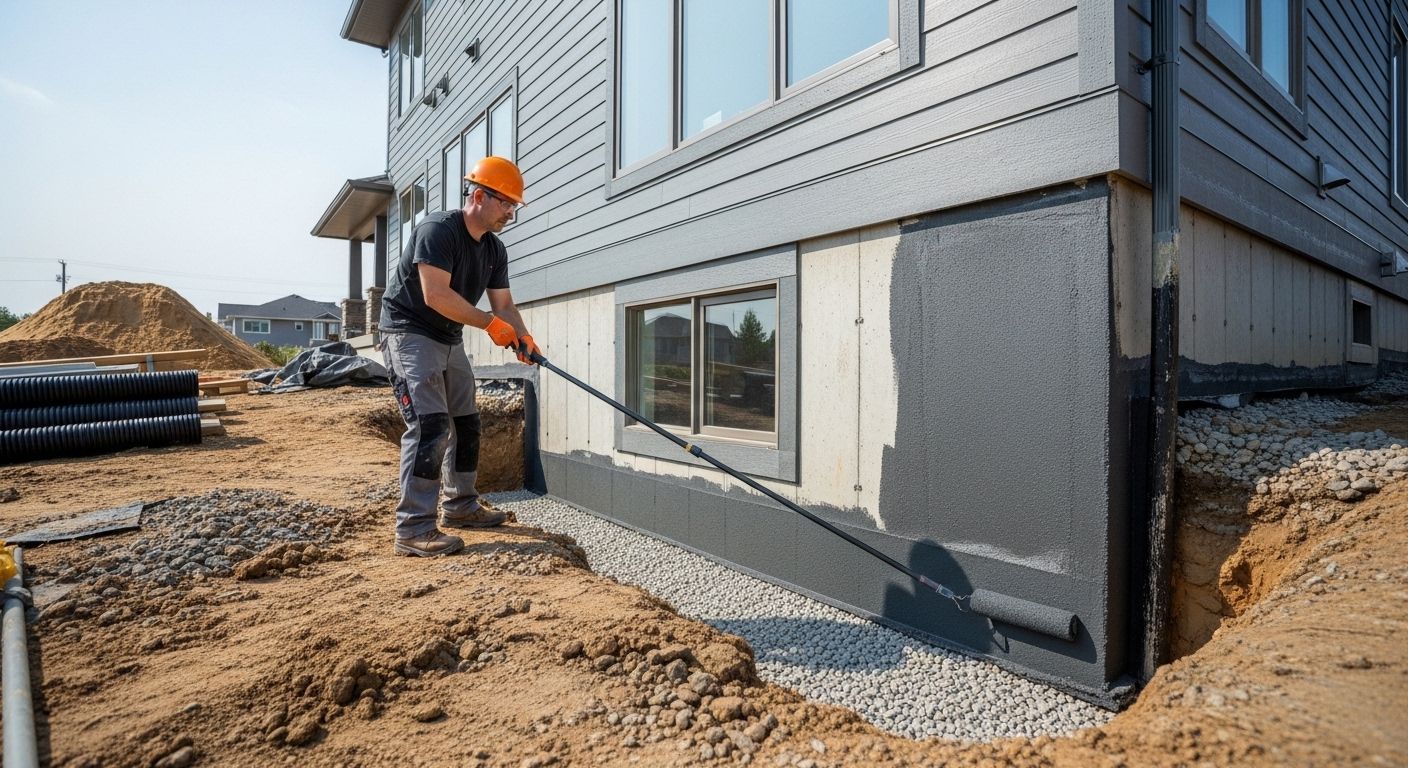
If your yard becomes swampy after rain or water pools around the outside of your home, a French drain may be enough by itself. It can intercept groundwater before it reaches your foundation. Exterior drainage solutions are often the first line of defense because they reduce hydrostatic pressure against basement walls.
On the other hand, if water is already entering your basement during storms, especially from the floor or wall joints, a sump pump becomes much more important. Once water is inside or building underneath the foundation, you usually need a system that actively removes it before flooding happens.
Many basements with recurring seepage actually use both systems together. An interior French drain collects the water around the perimeter of the basement and channels it toward the sump pit. Then the sump pump sends it safely away from the house. That combination is extremely common because it handles both collection and removal.
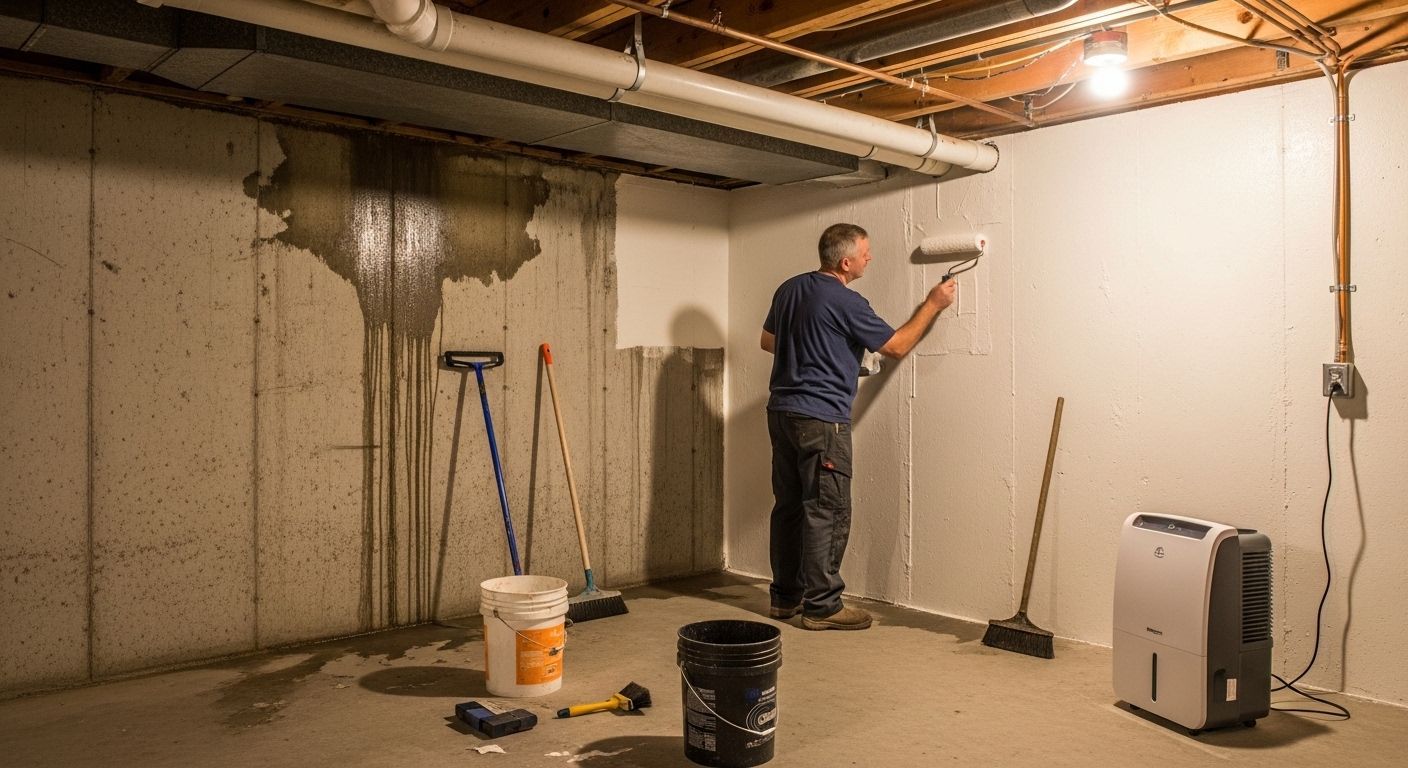
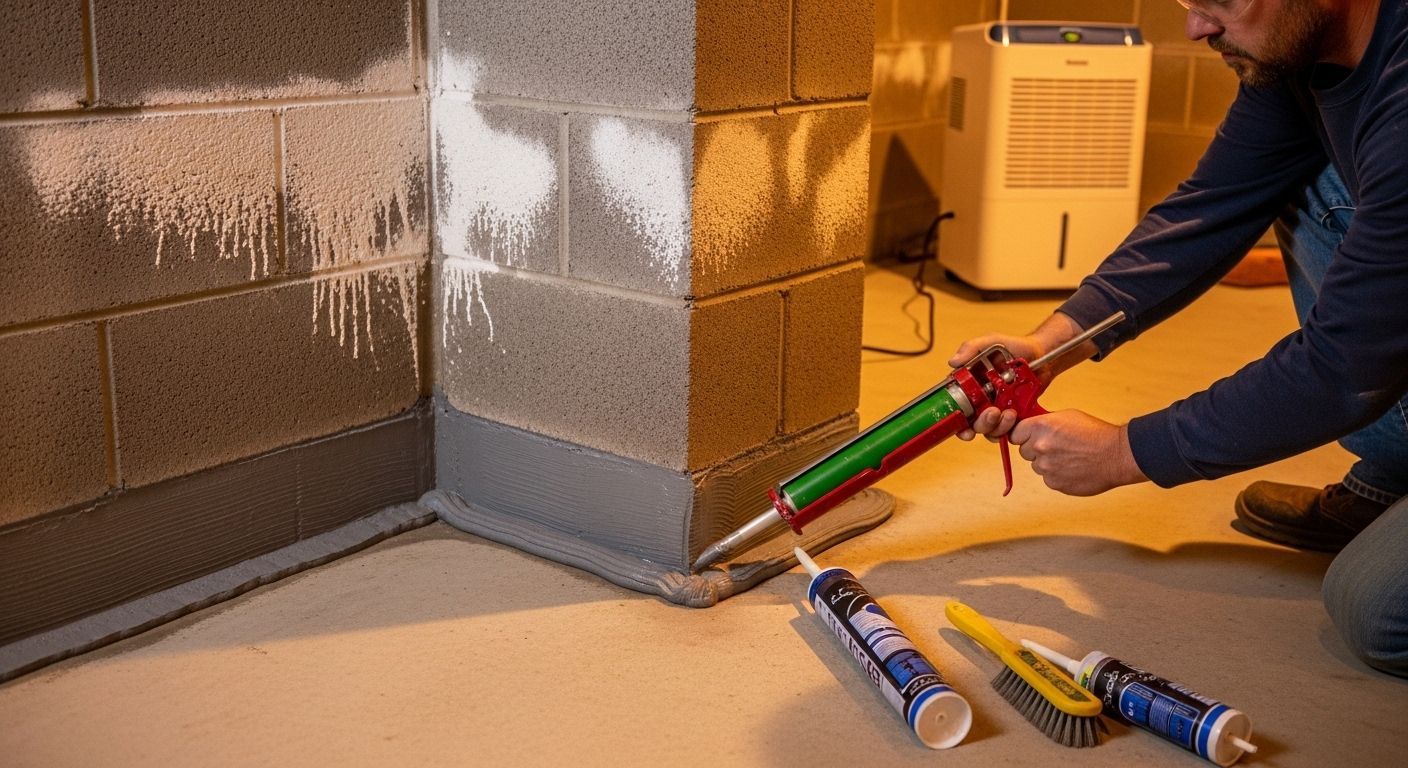
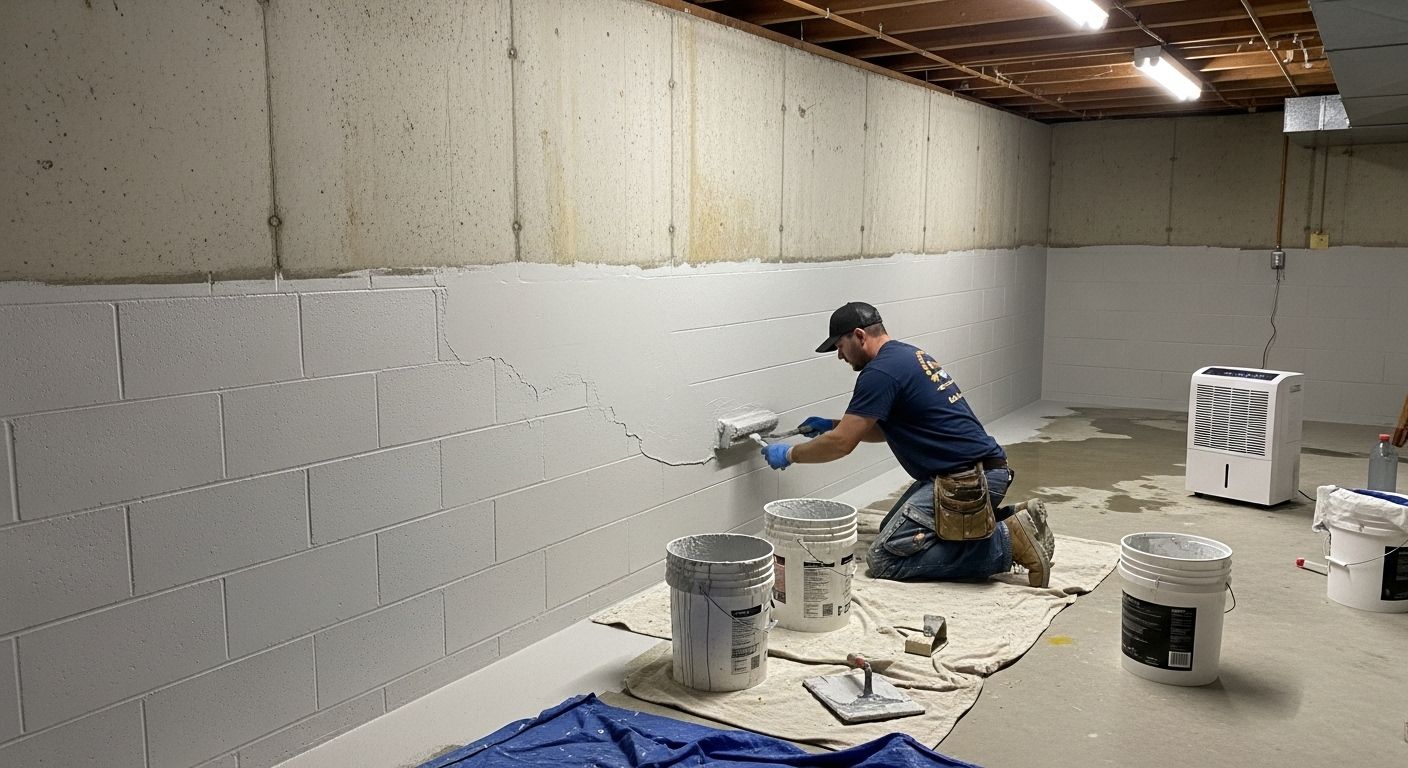
One thing homeowners sometimes misunderstand is that waterproof paint alone usually won’t solve serious moisture problems. If groundwater pressure is strong enough, water will eventually find a way through cracks, seams, or porous concrete. Drainage systems work better because they address the water itself instead of just covering the symptoms.
Cost is another factor people think about when comparing a French drain and sump pump setup. Exterior French drains can involve excavation and landscaping work, which raises the price. Interior drainage systems often require cutting into the basement floor. Sump pumps themselves are relatively affordable, but the installation can vary depending on how difficult it is to route discharge lines properly.
Maintenance matters too. French drains can clog over time if sediment or roots get into the system, although properly installed drains usually last a long time. Sump pumps need occasional testing because mechanical parts can fail. It’s smart to check the pump before storm season instead of discovering a problem during a heavy rainstorm.
Power outages are another thing worth mentioning. Since sump pumps run on electricity, they won’t work if the power goes out unless you have a battery backup or water-powered backup system. That’s important because storms strong enough to flood basements are often the same storms that knock out electricity.
If you’re still wondering “french drain vs sump pump which do I need,” pay attention to where the water is coming from and how severe the issue is. Damp walls and minor pooling outside may point toward drainage improvements. Actual basement flooding usually means you need a sump pump involved somewhere in the solution.
The age of the house can also play a role. Older homes sometimes weren’t built with modern drainage systems, so groundwater management becomes more important over time. Soil conditions matter too. Clay-heavy soil tends to hold water longer, increasing pressure around foundations.
The biggest mistake is waiting too long. Small water problems have a habit of turning into expensive repairs later. Mold, ruined flooring, foundation damage, and musty air quality issues all become more likely when moisture sticks around.
In the end, this isn’t really a “one or the other” situation for many homes. A French drain controls where water goes. A sump pump makes sure it leaves completely. Once you understand that difference, figuring out the right setup becomes a lot easier.