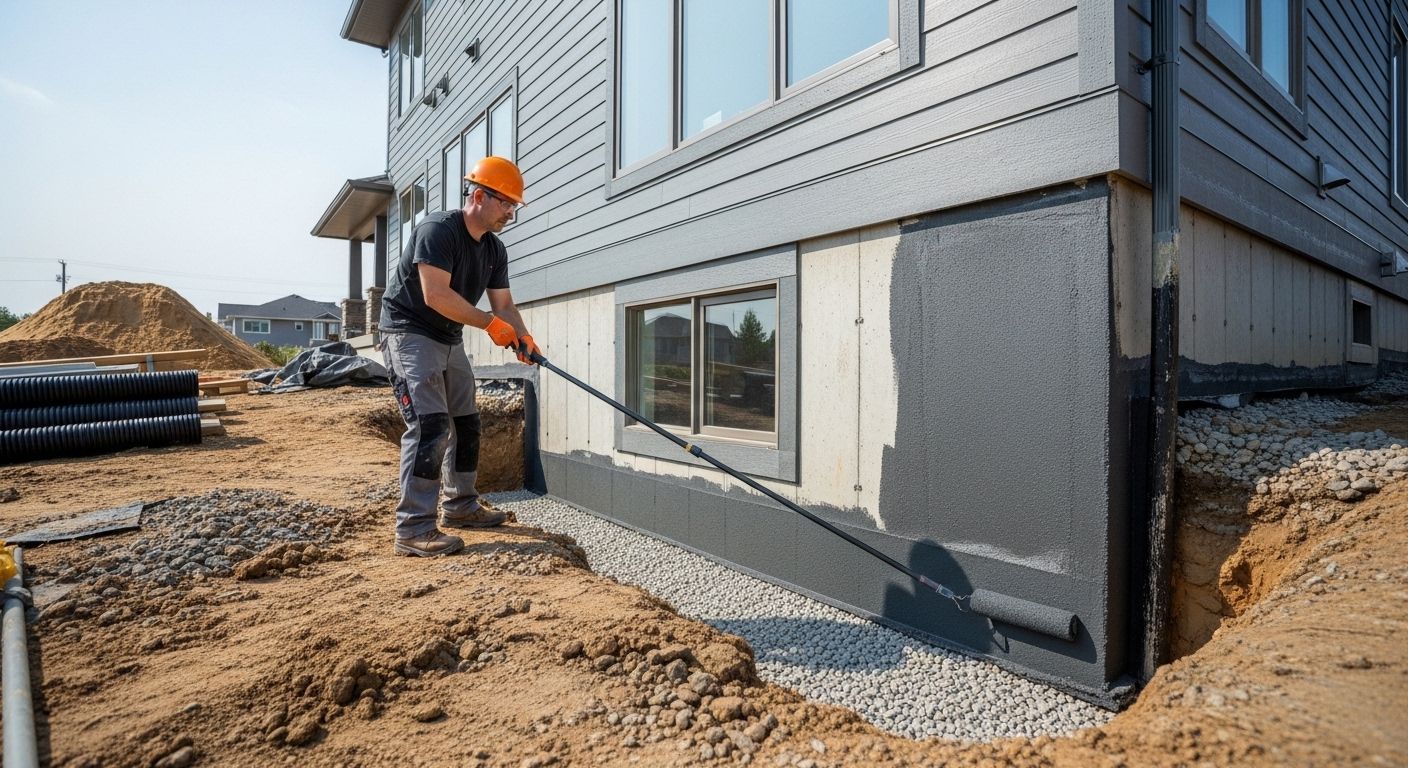
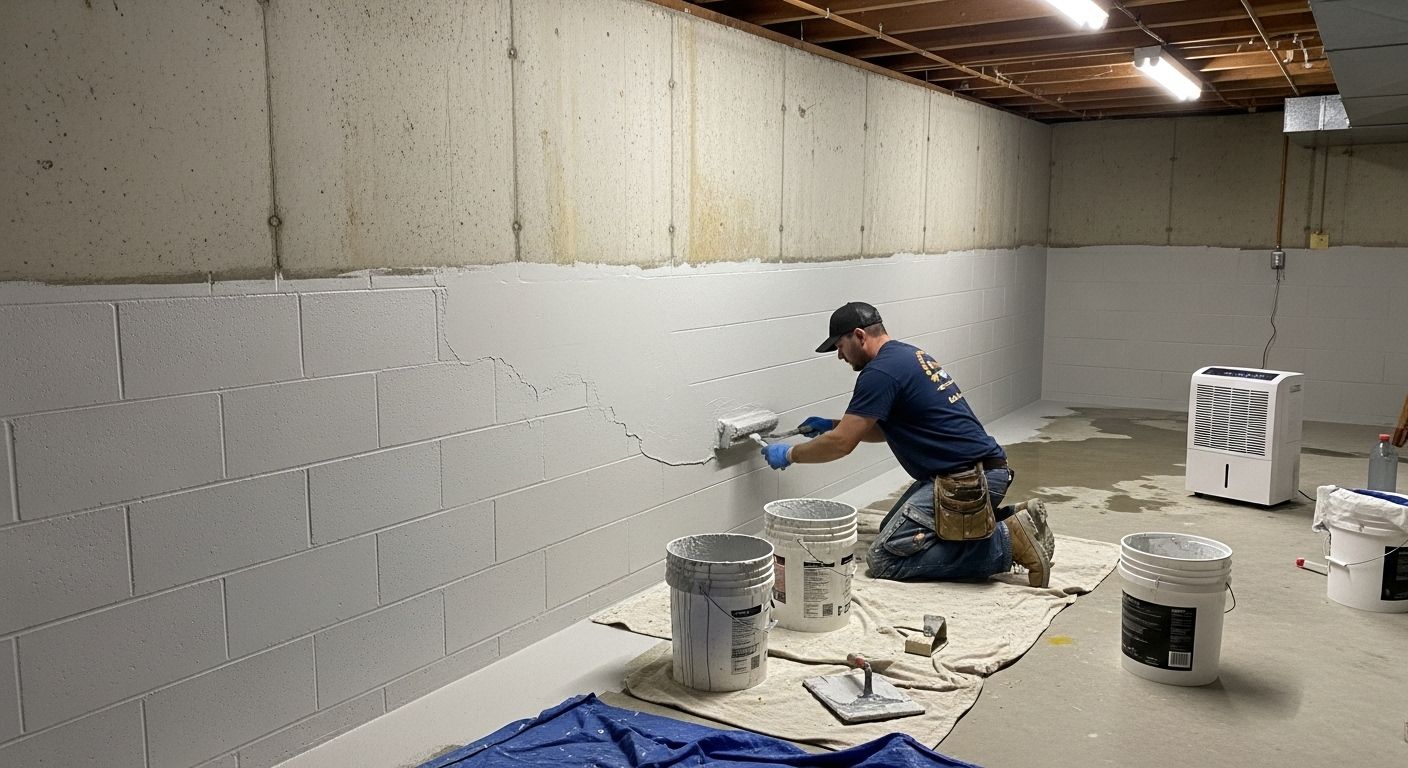
It helps to understand what each term actually means, because they're often used loosely and sometimes interchangeably by contractors who may be describing the same product differently. Crawl space waterproofing in the traditional sense refers to managing liquid water that enters the crawl space — through the foundation walls, up through the ground, or via drainage issues around the perimeter of the house. Solutions in this category include French drains, sump pumps, and drainage channels that collect and redirect water before it pools under the house. If you have standing water or active water intrusion during rain events, waterproofing addresses that directly.
Crawl Space Encapsulation vs Waterproofing: What's the Right Solution for a Wet Pacific Northwest Home?
If you own a home in the Pacific Northwest with a crawl space, moisture is not a hypothetical concern — it's essentially a given. The region's rainfall, humidity, and mild temperatures create near-perfect conditions for moisture to accumulate under a house, and left unaddressed, that moisture leads to wood rot, mold, compromised air quality, and eventually structural damage. The question most homeowners run into when they start looking into solutions is the crawl space encapsulation vs waterproofing debate, and in the Pacific Northwest specifically, the answer matters more than it does in drier climates.
Why Pacific Northwest Homes Have Serious Foundation Moisture Problems
Get a Free Quote
Contact Us
Why Choose Waterproofing Seattle?
Satisfied Clients


Our Waterproofing Installation Process
Encapsulation is a different approach that deals primarily with moisture vapor rather than liquid water. It involves sealing the crawl space with a thick polyethylene liner — typically 12 to 20 mil — that covers the ground, runs up the foundation walls, and is sealed at the seams and around piers and penetrations to create a continuous vapor barrier. The goal is to isolate the crawl space from the soil beneath it, which is constantly releasing moisture vapor even when there's no standing water present. In many Pacific Northwest homes, vapor diffusion through the soil is the primary moisture problem, and encapsulation addresses it directly.
The reason the crawl space encapsulation vs waterproofing question is particularly relevant in the Pacific Northwest is that the region often presents both problems simultaneously. The soil stays wet for months at a time, groundwater tables are high in many areas, and crawl spaces that were vented — which was the standard building practice for decades — tend to pull in humid outdoor air that condenses on the cooler surfaces inside. A home that has active water intrusion needs drainage solutions before or alongside encapsulation. Putting down a vapor barrier over a crawl space that still has water flowing in during heavy rain is like mopping the floor without fixing the leak — it addresses symptoms without solving the underlying problem.
The practical approach for most Pacific Northwest homes is to start with a thorough inspection that distinguishes between liquid water intrusion and vapor moisture. If there's evidence of standing water, efflorescence on the foundation walls, or visible water staining on the soil barrier, drainage needs to be addressed first. A perimeter drain with a sump pump may be necessary before encapsulation makes sense. If the issue is purely vapor — damp soil, high humidity readings, condensation, musty odors — encapsulation alone is often sufficient and highly effective.
When encapsulation is done well, the results are significant. A properly sealed crawl space in a Pacific Northwest home will typically show lower humidity levels under the house within days of installation, and homeowners often notice improved air quality on the main floor fairly quickly — which makes sense given that a meaningful percentage of the air in a house comes up from below. Wood moisture levels in the framing drop over time, which reduces rot risk and can extend the life of structural members considerably. Many contractors also recommend adding a dehumidifier inside the encapsulated crawl space to actively manage any residual moisture, which is a worthwhile addition in a climate as persistently damp as western Washington or Oregon.
Cost varies depending on crawl space size, accessibility, and whether drainage work is needed in addition to encapsulation, but a full encapsulation on a typical Pacific Northwest home generally runs somewhere between $5,000 and $15,000. Drainage additions push that higher. It's not a small investment, but the alternative — doing nothing while moisture slowly damages framing, subfloor, and insulation — tends to result in repair bills that dwarf the cost of prevention.
If you're getting quotes, ask each contractor specifically what they're proposing to address and why. A contractor who recommends encapsulation without inspecting for active water intrusion, or who recommends drainage solutions for a crawl space that only has vapor issues, is either cutting corners or selling what they install rather than what you need. The crawl space encapsulation vs waterproofing distinction isn't just semantic — in the Pacific Northwest, getting it right is the difference between a solution that works and one that doesn't.